Junior II: How to Choose a Dance Look and Stand Out on the Floor Without Breaking the Rules
At ages 14–15, the dance look becomes a noticeable part of the performance. Dancers already have a confident command of technique, understand the character of their program, and can consciously work on how the couple looks on the floor. As a result, a competition costume becomes more than just part of the look: color, silhouette, texture, and details begin to work together with movement.
However, the desire to stand out can easily have the opposite effect. An overly complicated style, excessive decoration, or details that are not age-appropriate can overload the look and even cause problems at a competition. FD Company helps dancers understand the rules and choose children’s ballroom dancewear for training and performances so that wardrobe updates match the dancer’s age, program, and tournament requirements.
What to Consider When Choosing a Junior II Competition Look
Junior II is the WDSF age category for athletes ages 14–15. At this stage, dancers already have enough experience to understand their own strengths, but their appearance and body shape are still actively changing. That is why dancewear should take into account not only current fashion trends but also age, the specifics of the dance program, and personal preferences.
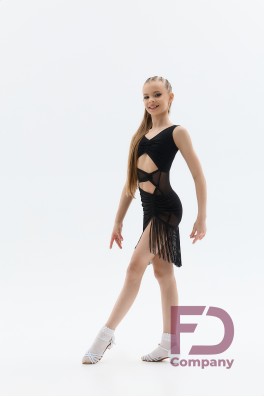
For a girl, it is important to choose a model that works well specifically in motion. For the Standard program, the lines and silhouette of a ballroom dance dress are especially important. For the Latin program, attention shifts to the dynamics of a Latin dance dress and its ability to emphasize the character of the performance. At the same time, current Dress Regulations must not be overlooked: specific requirements for style, materials, decorative elements, and other details should be checked before every major tournament.
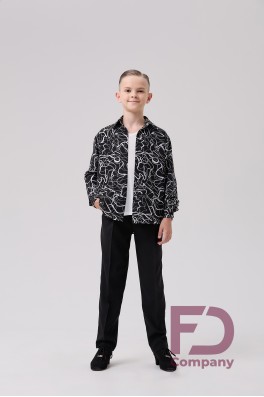
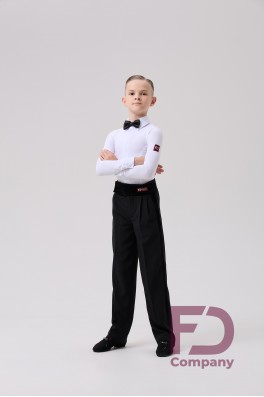
For a boy, the look is usually more restrained, but that does not make it any less important. The shirt, pants, ballroom dance shoes, and hairstyle should look like one cohesive outfit. A good fit is especially noticeable within a couple: a clean male silhouette visually complements the partner’s look without drawing attention away from the couple.
Before choosing a new costume, it is useful to answer three questions. Which program does the athlete compete in? What should the look emphasize? And what requirements apply at the specific competition?
How to Choose the Color and Style of a Dress to Highlight Individuality
Color is one of the most noticeable ways to make a competition look memorable. However, it is better not to choose a color solely because “I like this shade.” Hair color, skin tone, the dancer’s overall appearance, lighting in the venue, and the couple’s overall look all matter.
A bright color can make a dress more noticeable, a deep shade can make the look appear more restrained, while a softer color palette can place more emphasis on movement. Contrast between partners can also work well when it looks harmonious and matches the character of the dance program.
The same principle applies to the style of the dress. A ballroom dance dress should take the dancer’s body shape into account without trying to artificially change its proportions. It is more important to create attractive lines in motion and provide freedom for steps, turns, and body movement.
For Latin, the dress can incorporate design elements that emphasize the dynamics of the dance, while in Standard it is especially important to consider how the dress behaves during turns and movement across the floor. Length, slits, exposed areas, and other elements should always be checked against the current rules.
How to Use Decoration, Rhinestones, and Costume Details for an Expressive Stage Look
In Junior II, athletes have more opportunities to express individuality through their look, but the principle of “the more sparkle, the better” does not work. Decoration should enhance the dance look rather than become its main focus.
Rhinestones, appliqués, textured finishes, and other decorative elements can be used as visual accents when permitted under the rules of the specific competition. Well-placed decoration can emphasize the lines of the costume and make movement more noticeable. When there is too much decoration, however, the silhouette can become less clear.
It is especially important to consider how the dancer looks not in a mirror or a close-up photograph, but from a distance. What appears neat during a fitting can turn into excessive sparkle on the dance floor.
For boys, decorative options are usually much more limited. Their look is better built around quality tailoring, proper fit, color coordination, and an overall polished appearance. Dance shirts and ballroom dance pants should maintain a clean shape and not distract attention from the couple.
How to Combine Fashionable Design With Junior II Dress Code Requirements
Fashion trends can be used as a source of inspiration, but a competition costume should not be chosen based only on photos from social media. What works for a stage show, photo shoot, or adult competition may not comply with the requirements of the junior category.
Before purchasing or ordering a custom-made costume, check:
- style and silhouette — do they match the program and age category;
- materials — are the selected fabrics and decorative elements permitted;
- exposed and transparent areas — do they comply with coverage requirements;
- decoration — are rhinestones, appliqués, embellishments, and their chosen placement permitted;
- overall appearance — does the costume create a look that is inappropriate for the dancer’s age or does not comply with the regulations.
The WDSF website publishes current competition rules, and Dress Regulations form part of the requirements governing competition clothing. WDSF may also introduce special restrictions for individual events. Therefore, before a major tournament, it is best to check not only the federation’s general rules but also the information provided by the event organizer.
Common sense is especially important here: even if an individual detail is not explicitly prohibited, its combination with other elements should not create the impression that the rules are being circumvented.
How to Put Together a Cohesive Junior II Look That Stands Out on the Floor
An expressive look does not begin with the dress and end with rhinestones. It is made up of several details that should work together. If the dress is bright, the makeup and accessories can be more restrained. If the costume is built around a complex silhouette, additional decoration may not be necessary.
For a girl, it is important to test the entire look in motion in advance: dress, shoes, hairstyle, and makeup. The hairstyle should stay securely in place, not interfere with the partner, and keep the face visible. Makeup should suit the dancer’s age, competition format, and overall look rather than simply imitate adult stage trends.
The same principle applies to boys. A neat hairstyle, well-fitting shirt and pants, and properly selected shoes create a cohesive look without the need for complicated details.
- Start with the program. The look for Standard and Latin should support the character of the specific dance.
- Choose the foundation. First determine the silhouette, color, and fit of the dancewear.
- Add accents. Use decoration only where it genuinely enhances the look.
- Put the complete outfit together. Check the shoes, hairstyle, makeup, and accessories together with the costume.
- Check the regulations. The final look must comply with the current requirements of the specific tournament.
In Junior II, standing out on the floor is not just about choosing a bright color or adding lots of rhinestones. A look in which every detail supports one concept is much more effective: ballroom dancewear emphasizes movement, the color suits the athlete, the shoes support the dancing, and the hairstyle and makeup complete the overall composition.
FD Company offers models for training and performances that can meet different dance wardrobe needs. The key is to choose dancewear not simply for the most eye-catching appearance, but for a cohesive look in which the junior dancer feels confident and can show on the floor exactly what they have learned.