Types of Competitive Ballroom Dancing: Standard vs Latin for Beginners
If you are just discovering competitive ballroom dancing, one of the first questions is which program to choose: Standard or Latin. Each discipline has its own character, technique and training requirements. At FD Company, we know how important it is to choose the right equipment from the very first lessons, because properly selected ballroom dancewear helps dancers feel more confident, move freely and focus on developing their technique.
What Disciplines Are Included in Competitive Ballroom Dancing and What Are Their Features?
Competitive ballroom dancing consists of two main programs — European (Standard) and Latin American (Latin). Each includes five dances that differ in character, musical tempo and technique.
- Standard: slow waltz, tango, Viennese waltz, slow foxtrot and quickstep.
- Latin: samba, cha-cha-cha, rumba, paso doble and jive.
Despite their shared sporting foundation, the Standard and Latin programs have different requirements for technique, coordination and performance style. Standard focuses primarily on posture, smooth movement of the couple and precision of body lines. Latin emphasizes body movement, hip action, dynamics and expressiveness.
European Standard Program: Main Dances, Technique and Performance Style
The Standard program is characterized by elegance and precise technique. Partners remain in a closed position throughout the dance, making synchronization, correct posture and partner interaction especially important.
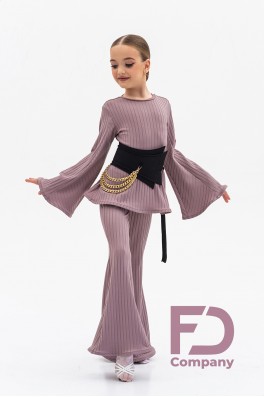
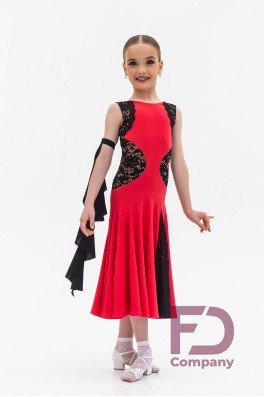
For training, dancers usually choose Standard dancewear that does not restrict movement and helps maintain a neat silhouette. Girls gradually move to specialized practice sets, including leotards and skirts for the European program, and as their skills develop, to competition dresses for Standard. For beginners, it is important to choose comfortable ballroom dancewear that allows the coach to see the work of the body, shoulders and legs.
Latin American Program: Features of Movement, Rhythm and Performance Image
Latin is more emotional and energetic. Movements become sharper, the range of body, arm and hip action increases, and each dance has its own distinct character.
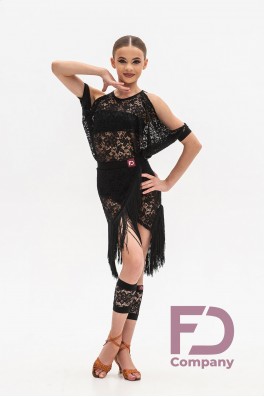
Therefore, Latin dancewear should provide freedom of movement and not interfere with active body action. Fitted models are often used for training, while performances call for eye-catching Latin dance dresses that emphasize the dynamics of each movement. When choosing dancewear, it is important to consider not only its appearance but also comfort, as the costume should not distract the dancer during complex elements.
If you have already decided which discipline to pursue, you can explore suitable models in the FD Company catalog, which features options for both training and performances.
What Should Beginners Choose: Comparing Standard and Latin by Workload, Technique and Requirements
There is no single right answer — the choice depends on personal preferences, temperament and goals. When deciding, you can primarily consider the type of movement and which style appeals to you more.
- Standard is suitable for those who value smooth movement, elegance, partnership and precise technique.
- Latin appeals to those who enjoy a vibrant performance style, energetic movements, active body action and expressiveness.
- If you are still unsure, you can try both programs and gradually determine which discipline best matches your interests.
It is important to remember that success depends not only on natural abilities but also on regular training, quality equipment and effective work with a coach.
What You Need for Standard and Latin Training: Dancewear, Shoes and Accessories
There is no need to purchase an expensive competition costume for your first training sessions. It is much more important to choose comfortable dancewear that meets the school's requirements.
A basic set usually includes:
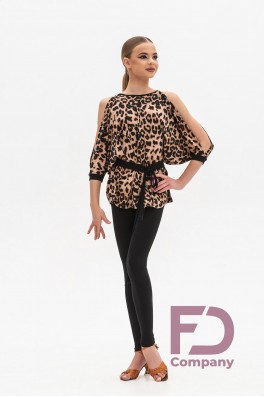
- comfortable ballroom dance practice wear that does not restrict movement;
- specialized Standard or Latin dance shoes with a flexible sole and secure foot support;
- hair accessories and other elements for securing the look, if required by the school's rules or training process.
When purchasing dancewear, pay attention to fabric quality, elasticity, fit and neat construction. High-quality equipment lasts longer, retains its shape after numerous training sessions and allows dancers to focus completely on dancing.
If you are just starting competitive ballroom dancing, it is worth exploring the range of specialized dancewear and shoes in advance. The FD Company catalog features models for children and adults that are suitable for first training sessions as well as regular classes and competition preparation.