The Psychology of Confidence on the Dance Floor: How a Costume Influences the Way a Dancer Is Perceived
Before stepping onto the dance floor, a dancer thinks about more than just steps, music, and their partner. Dozens of small details matter too: whether the dancewear feels comfortable, whether a dress needs constant adjustment, and whether embellishments interfere with movement. When a dance costume feels like a natural part of the overall look, it becomes easier to focus on the performance.
FD Company helps dancers choose ballroom dancewear based on fit, the specific dance programme, and their individual preferences. The key is to find the right balance: the costume should appeal to the dancer, reflect the character of the performance, and never distract from the dancing itself.
How Dancewear Affects a Dancer's Confidence and Comfort During a Performance
Confidence begins with a sense of control. When dancewear fits well, does not chafe or slip, and allows unrestricted movement, the dancer does not have to keep thinking about their outfit during a performance. This is particularly important for children: they can focus more easily on the music and the coach's instructions when their dancewear feels familiar and comfortable.
The relationship between clothing and a dancer's psychological state has also been explored in scientific research. A study involving 88 dancesport athletes found that positive perceptions of the aesthetics of competition wear, along with a sense of comfort, were associated with higher confidence and lower levels of anxiety. These findings indicate correlations rather than proving that an attractive costume alone improves performance. Nevertheless, they further demonstrate why comfort and a well-coordinated appearance matter.
That is why it is a good idea to test a competition costume in advance, not just in front of a mirror. The dancer should perform the main movements of their programme, check their freedom of movement through the arms, torso, and legs, and see how the fabric behaves during turns and bends. It is also important to make sure the outfit does not shift when the arms are raised or catch on the partner's costume. Wearing it for the first time just before stepping onto the dance floor can create unnecessary stress, even if the issue seems minor.
Familiarity matters too. The better a dancer knows how their dancewear behaves during movement, the less attention they need to devote to it. Comfortable dancewear does not guarantee a win, but it creates conditions that make it easier to deliver the performance they have prepared for.
How to Choose a Costume Colour That Highlights Individuality and Creates the Right Stage Look
Colour is one of the first elements an audience notices. A bright shade can make an outfit stand out, dark colours can create a more composed impression, and contrasting combinations can visually connect the partners' looks. However, there is no universally "best" colour for ballroom dancing.
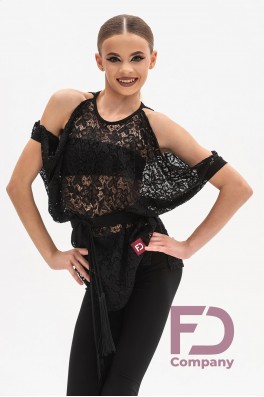
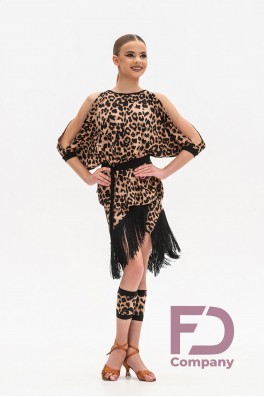
The choice should reflect the character of the dance programme. Rich, expressive colours work well with the energy of Latin: Latin dancewear often features bright accents and dynamic details. In the Standard programme, a cohesive silhouette and elegance are often more important, so Standard dancewear should complement the character of the music and movements. Colour should also be considered in relation to the lighting, skin tone, hair colour, and the partner's outfit. It is important to see how the chosen shade looks not only during a fitting but also under stage lighting.
A couple can look particularly striking when their outfits do not match completely but share a common colour accent. For example, the same shade might appear in the trim of the male partner's shirt and in decorative details on the female partner's dress. This approach helps create a unified look while preserving each dancer's individuality.
How Cut and Fit Can Highlight the Figure's Best Features
Well-chosen ballroom dancewear works with proportions. Cut lines, the placement of decorative elements, skirt length, neckline shape, and the positioning of decorative panels can all influence how the silhouette is perceived. The goal, however, is not to "correct" the figure but to highlight the performer's strengths and complement their movement style.
For example, vertical lines can visually elongate the silhouette, diagonal details add a sense of movement, and an accent at the waist can make the overall composition look more balanced. The placement of embellishments matters too: well-positioned details can draw the eye along the movement of the torso or the line of the arms.
The cut also depends on the dance programme. Ballroom dance dresses can differ in their cut, length, and skirt design. In the Standard programme, a cohesive silhouette and expressive lines are particularly important, while more dynamic styles are often chosen for Latin. Latin dresses should not only reflect the character of the performance but also allow unrestricted movement. That is why it is important to consider not only how the outfit looks but also how it complements the dancer's movements.
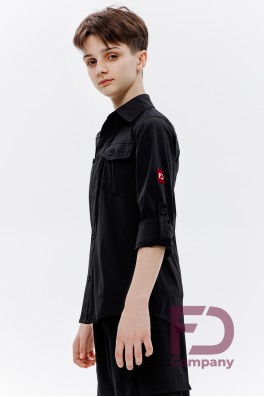
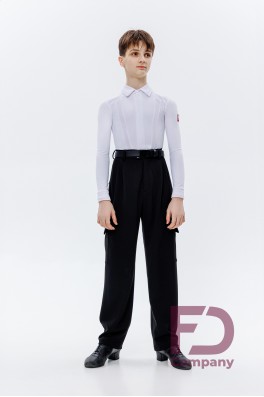
A proper fit is equally important for male partners. Ballroom dance pants should allow freedom of leg movement while maintaining a neat silhouette, while ballroom dance shirts should not restrict movement through the torso or arms. Clothes that are too tight or excessively loose can interfere with performance and disrupt the overall look.
However, visual appeal should never come at the expense of comfort. Fabric that is too restrictive can limit movement, an excessively loose cut can compromise the silhouette, and poorly placed seams or embellishments can become distracting.
That is why it is important to assess not only the appearance of an outfit but also how it feels during movement. Check whether the fabric pulls when bending, whether any elements shift during turns, and whether there is enough freedom for arm and leg movements. Most importantly, the costume should not require constant adjustments throughout the programme.
How Costume Details Enhance the Expressiveness of a Dance
On the dance floor, dancewear constantly interacts with movement. Fringe responds to spins, a lightweight skirt emphasises dynamics, sparkling details catch and reflect the light, and textured fabric makes the silhouette more noticeable. This is why embellishments can be viewed as an additional visual tool.
For example, Latin skirts are often chosen with movement dynamics in mind: fabric weight and the way it responds to turns and hip movements are particularly important. Meanwhile, Standard skirts should flow beautifully during turns, emphasise the smoothness of movement, and complement the lines of the couple. In both cases, the length, cut, and fabric should allow unrestricted movement and help create a harmonious stage look.
Details work particularly well when they have a clear connection to the choreography. If the fabric flows beautifully during movement and the embellishments complement the lines of the body, the overall look feels more cohesive. On the other hand, too many decorative elements can create visual clutter and distract from the dance itself.
FD Company recommends choosing decorative details based on more than simply whether they look attractive. It is worth checking in advance how they look in motion, whether they catch on the partner's clothing, and whether they cause any discomfort. In addition, competition costumes must comply with the current requirements of the specific event. WDSF publishes separate Competition Rules and Dress Regulations, and different age categories and competitions may have their own restrictions. Before purchasing or modifying an outfit, it is useful to check the requirements with the coach and competition organisers, as well as consult the latest version of the regulations on the official WDSF website.
That is why an eye-catching detail works best when it enhances the overall look rather than becoming its main focus.
Where the Influence of a Costume Ends and the Dancer's Skill Begins
No matter how carefully a stage look is designed, it cannot replace technique. High-quality dancewear can help a dancer feel more composed, highlight their body lines, and make the performance look more cohesive. However, the quality of the performance itself depends on preparation, musicality, coordination, and the interaction between partners.
This is particularly important for parents of young dancers to remember. A child does not need the most elaborate or expensive competition costume to feel confident. It is far more useful to find ballroom dancewear that fits well, suits the child's age and programme, appeals to the dancer, and allows unrestricted movement.
The ideal formula is simple: a comfortable fit, a suitable colour, an expressive but appropriate detail, and compliance with the rules. When all these elements work together, dancewear becomes a natural part of the performance. The FD Company range offers everything for ballroom dancing, making it possible to choose an outfit based not only on appearance but also on the dancer's needs.