Young Dancer's Wardrobe: How to Build a Versatile Wardrobe for Training and Competitions
When a child starts ballroom dancing, their wardrobe gradually grows with their experience. There is no need for a dozen outfits at the beginning, but having suitable dancewear is essential. It should allow freedom of movement, withstand regular training sessions, and meet the requirements of the dance programme.
FD Company helps you choose children's ballroom dancewear based on your child's age, training format, and individual needs. The key is not to buy everything in advance but to build a dance wardrobe step by step.
What Should Be Included in a Young Dancer's Basic Wardrobe for Training and Competitions
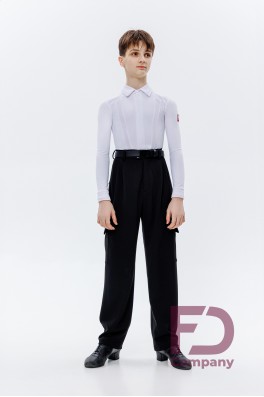
Start with the items your child will wear most often. A boy's basic outfit usually consists of a white shirt, black pants, and suitable dance shoes. A girl's wardrobe depends on the dance programme and skill level. Training sessions may call for a dress, leotard, or top with a skirt, while competitions require a special juvenile ballroom dance dress or competition outfit.
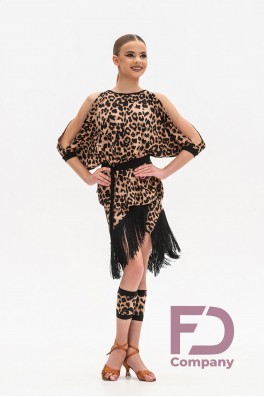
When choosing training clothes for ballroom dancing, it is important to consider the specific requirements of each dance programme. For the Standard programme, dancers usually choose more understated outfits that emphasise body lines and the movements of the couple. In Latin, dancewear can be more dynamic and should not restrict active leg or body movements. It is best to discuss the right option with the coach, especially if the child is just starting out.
Dance shoes deserve special attention. They must be designed specifically for ballroom dancing, provide a secure fit, and suit the chosen programme. Everyday footwear or regular dress shoes cannot replace a professional pair: dance shoes have soles, a fit, and flexibility designed for the specific demands of ballroom dancing. When trying them on, make sure the shoes do not squeeze the toes, slip off the heel, or restrict basic movements.
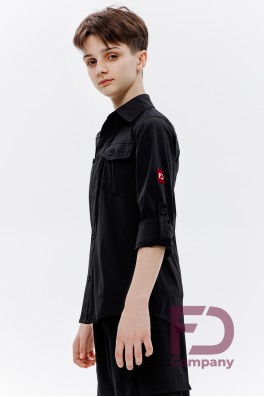
- For boys: a training shirt, dance pants, and specialised dance shoes.
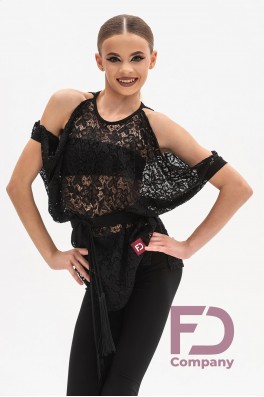
- For girls: a training leotard or a top with a skirt, a ballroom dance dress, and dance shoes.
- For competitions: a competition outfit or juvenile dance dress selected according to the child's age, dance programme, and the requirements of the specific event.
However, training clothes and competition wear are not the same. Comfort and freedom of movement are the main priorities during practice, while competitions also involve requirements concerning appearance and compliance with the rules.
How to Choose Training Clothes for Your Child: Size, Fabric, and Comfort
Good-quality ballroom training dancewear should fit comfortably without feeling tight or restrictive. Clothes that are too loose can make it harder for the coach to assess posture and movement technique, while overly tight outfits quickly become uncomfortable. It is particularly important to remember that children grow quickly, so age alone should never determine which size you choose.
Before purchasing, check the size chart for the specific model and compare it with your child's measurements. Pay attention to garment length and how the clothes fit during movement. Check whether the fabric pulls when the child bends, raises their arms, turns, or steps sideways. Pants and a dance shirt should not restrict leg or body movements, while a leotard and a ballroom dance skirt should allow freedom of movement and comfortable dancing with a partner.
For regular training, stretchy fabrics that retain their shape and allow unrestricted movement are a practical choice. Ideally, the material should wick away moisture quickly and withstand frequent washing. This is especially important for children's wardrobes, as the same garment may be worn several times a week.
Small details matter too: flat or neatly finished seams, a comfortable neckline, secure fastenings, and no elements that could catch on a partner's clothing. Since dancing involves constant movement, dancewear should be assessed not only in front of a mirror but also while moving across the dance floor.
How to Put Together a Competition Outfit Based on the Dance Programme and Event Requirements
Competition wear should be selected once the dance programme, age category, competition format, and organisers' requirements are clear. Boys and girls have different priorities: a boy's outfit should maintain a clean silhouette and a neat appearance, while a girl's costume should combine a comfortable fit with the character of the dance programme.
The Standard programme traditionally calls for a more restrained and elegant look, whereas Latin allows for a different visual style. However, specific requirements regarding cut, length, colour, and decoration depend on the dancers' age and the competition regulations. Rules for adults cannot automatically be applied to young dancers, as children's categories have their own restrictions. The WDSF publishes regulations governing competition wear, while national federations and event organisers may introduce additional requirements for their competitions.
FD Company recommends consulting the coach before purchasing a competition outfit to find out exactly what the child needs. This helps avoid situations where an expensive dress or dance outfit has to be altered before the first competition.
It is also important not to confuse an attractive look with an overly elaborate one. Decorative elements, colour, cut, and finishing should complement the performance rather than interfere with movement. For children's competitions, age-appropriate styling and compliance with current rules are particularly important. Before making a purchase, check the latest regulations of the organisation hosting the event.
What Does Your Child Need Right Away, and What Can Be Purchased as They Grow and Gain Experience
A beginner dancer only needs a basic dance outfit. The first purchases should be items used every week: training clothes, comfortable dance shoes, and preferably a spare outfit. If your child trains several times a week, having an extra set means you do not have to rely on washing a single outfit and helps reduce wear and tear on each garment.
There is no need to rush into buying an expensive competition wardrobe. While your child is still learning basic movements and does not compete regularly, there is little point in purchasing several dresses, costumes, or additional accessories in advance. Their size and the requirements for their competition outfits may change sooner than parents expect.
The best approach is to divide purchases into three stages:
- Right away: basic training clothes and suitable dance shoes.
- Before the first performances: the necessary competition outfit, following the coach's recommendations.
- As your child grows: spare items, additional outfits, and an updated competition wardrobe.
This way, parents avoid unnecessary spending, while young dancers get everything for ballroom dancing exactly when it becomes relevant.
How to Update a Growing Dancer's Wardrobe Wisely Without Overspending
A dance wardrobe needs updating not only because clothes wear out. Sometimes an item is still in almost perfect condition but no longer fits. That is why it is important to consider not only how a garment fits today but also how quickly your child is growing. However, buying dancewear several sizes too large is not the solution.
It is more practical to have a few well-chosen items than a large number of outfits that are rarely used. Check the condition of clothing and footwear regularly. Stretched elastic, worn fabric, loss of shape, or discomfort are all signs that an item needs replacing.
If your child trains frequently, it makes sense to spread the wear across several outfits. Training clothes can be rotated, while competition wear should be stored separately and used only for its intended purpose. This approach helps preserve the appearance of garments for longer and prevents last-minute purchases before every competition.
A young dancer's wardrobe should grow with their experience, not get ahead of it. Start with comfortable training clothes, move on to a carefully selected competition outfit, and then update the wardrobe as your child grows, garments wear out, and the requirements of the dance programme change. At FD Company, you can find dancewear for training and performances based on your child's age, training needs, and coach's recommendations.