Juvenile I: How to Dress a Child for Their First Ballroom Dancing Lessons
The first ballroom dancing lessons are an exciting time for both children and parents. It is tempting to immediately buy a beautiful dance costume, specialized shoes, and everything else needed for future training sessions and performances on the dance floor. But this approach is not always justified at the beginning. The child is just starting to learn ballroom dancing, while the coach helps choose a program — Latin American or European. In ballroom dancing, are also known as Latin and Standard in ballroom dancing, and the requirements for dancewear during training and competitions differ in terms of length, colors, and decorative details.
FD Company helps parents choose children’s ballroom dancewear, but it is better to start with the things that are genuinely necessary. The main priority during the first lessons is to make sure the child can move comfortably, with nothing getting in the way or distracting them from learning new elements.
What a Child Really Needs for Their First Ballroom Dancing Lessons
A full competition wardrobe is not necessary for the first lessons. In most cases, comfortable training clothes and shoes suitable for the chosen program — Latin American or European — are enough. It is best to ask the coach in advance how to choose the right outfit, as the dance school’s requirements may depend on the format of the lessons and the specifics of the program.
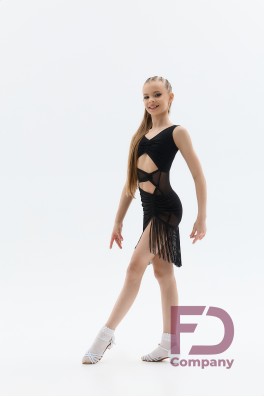
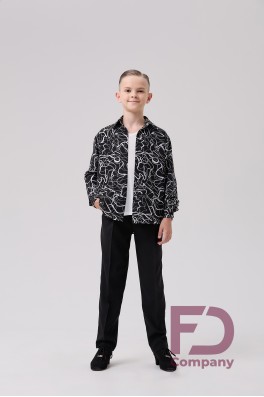
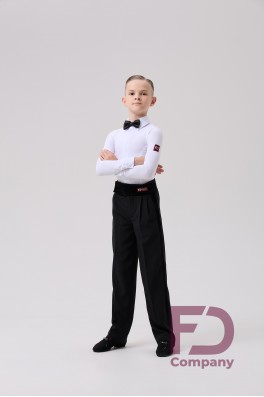
For a girl, this could be a dance leotard paired with a Latin skirt or a Standard skirt if that option is more convenient for regular training. For a boy, a neat dance shirt, T-shirt or turtleneck, together with elastic ballroom dance pants that do not restrict leg movement, will work well.
- comfortable dancewear sets for training;
- specialized dance shoes for Latin and Standard;
- hair ties, clips, or other simple accessories for keeping a girl’s hairstyle neat;
- a change of clothes or something to change into after an intensive training session.
There is no need to immediately buy an expensive ballroom dance dress, an elaborate costume with decoration, or several pairs of shoes. First, it is important to see how much the child enjoys the lessons and how their needs change as they become more familiar with dancing.
How to Choose Juvenile I Training Clothes by Size, Style and Material
Ballroom dance training wear should fit well without being tight. A model that is too small restricts movement and quickly becomes uncomfortable, while an excessively loose one may twist, slip, and make it harder for the coach to monitor the child’s body position.
Freedom of movement is especially important: the child has to do a lot of leg work, change body positions, perform turns, and learn to maintain proper posture. That is why stretchy materials are preferable, as they move with the body and quickly return to their original shape.
For a girl, a ballroom dance leotard can be a comfortable option: it stays in place and allows the coach to see the body lines. Depending on the lessons, it can be paired with a lightweight ballroom dance skirt. For a boy, it is worth choosing dance pants, a shirt, or a ballroom dance bodysuit that does not restrict steps, leg lifts, or upper-body movement.
Material is another important consideration. For regular training, practical fabrics are those that allow air to circulate, wick away moisture, and withstand frequent washing. Since children grow quickly, it is important to check not only their age but also their actual measurements against the manufacturer’s size chart before buying.
What Shoes a Beginner Dancer Needs and How to Choose the Right Size
Special attention should be paid to specialized ballroom dance shoes. During the first training sessions, children learn to transfer their weight, work through the foot, and maintain balance, so their shoes should provide secure support and be appropriate for their skill level.
Girls and boys wear different models, while the specific choice depends on the dance program and the coach’s recommendations. A girl should not be given shoes to “grow into”: an overly loose pair provides less support for the foot and can make it harder to perform movements confidently. Boys also need properly sized shoes without excessive space inside.
Before buying, it is useful to ask the teacher which shoes are needed specifically for the first lessons — Standard, Latin, or a universal training model. This helps avoid buying a pair that becomes unsuitable within just a few weeks.
What Clothing Will Be Needed for the First Performances and What Can Wait
Once the child becomes comfortable with training and has an opportunity to take part in their first competition, appearance requirements may change. At this stage, it is important to consider the rules of the specific competition, the age category, and the coach’s recommendations. WDSF publishes separate competition rules and clothing requirements, so a competition costume should not be chosen according to the principle “the dressier, the better,” but in line with the current regulations.
Later, a girl may need a special competition dress or another permitted outfit, while a boy may need a more formal shirt and pants. However, there is usually no need to buy these items in advance.
At the beginning, you can postpone:
- expensive juvenile ballroom dance dresses;
- models with elaborate decorative details;
- several pairs of shoes for different purposes and dance styles;
- items that the coach does not yet recommend using during lessons.
This approach is especially sensible for Juvenile I dancers: children grow quickly, so dancewear bought “for the future” may simply become too small before the child gets a chance to use it.
How to Put Together a Comfortable Juvenile I Training Outfit Without Overspending
It is better to build a beginner dancer’s wardrobe gradually. Start by buying one comfortable training outfit and suitable shoes. If the lessons are regular, you can add a second set so that you do not have to wash the only outfit after every training session.
At the same time, clothing should not be chosen based solely on its appearance. It is much more important that the seams do not rub, the material can withstand active movement, and the child can change independently and feel confident on the dance floor.
At FD Company, you can choose ballroom dancewear for training and performances — from basic models to specialized options as the child’s sporting needs develop. This approach helps avoid overspending at the beginning while creating an environment in which young dancers can learn, move comfortably, and enjoy their lessons.