What Age Is Best to Enroll a Child in Ballroom Dancing?
Many parents start thinking about dance classes even before their child begins school. Ballroom dancing helps develop coordination, rhythm, discipline, self-confidence, and the ability to work with a partner. However, an important question naturally arises: when is the best time to start lessons so they remain enjoyable without becoming an excessive burden? The specialists at FD Company, who create everything for dance, note that success depends not so much on a child's age as on their readiness and the right approach from parents. Years of experience working with young dancers confirm that these factors play the key role at the beginning of a child's dance journey.
What Is the Best Age to Start Ballroom Dancing and Why?
Most dance schools accept children from the age of 4 to 6. At this stage, children are already able to follow the instructor's guidance, repeat movements, and gradually learn discipline. Early lessons are conducted in a playful format, so the main goal is to spark the child's interest and foster a love for dancing.
If a child starts between the ages of 6 and 8, there is no reason to worry. Many successful ballroom dancers began training at this age and achieved excellent results through consistent practice and professional coaching.
Rather than trying to start as early as possible, it is far more important to choose the moment when the child is truly ready to enjoy the classes. There is no universal age that suits every child, so the decision should be based on their physical, emotional, and psychological readiness.
How to Tell If Your Child Is Ready for Regular Training: Physical and Emotional Signs
Age is only one of several factors. It is equally important to consider the child's individual characteristics. The following signs usually indicate readiness:
- the child can stay focused during a 30–45-minute lesson;
- shows interest in music and movement;
- is comfortable interacting with other children;
- is willing to follow simple instructions from the coach;
- does not experience significant discomfort during moderate physical activity.
If most of these signs are present, dance classes usually become an enjoyable and stress-free experience. If the child tires quickly, loses interest, or struggles to adapt to a group, it may be worth waiting a few months before trying again.
What to Expect from the First Lessons: Training Load, Learning Format, and Parents' Expectations
Parents should not expect children to learn complex dance elements right away. During the first months, training focuses on developing coordination, posture, rhythm, proper body positioning, and introducing the fundamentals of ballroom dance technique.
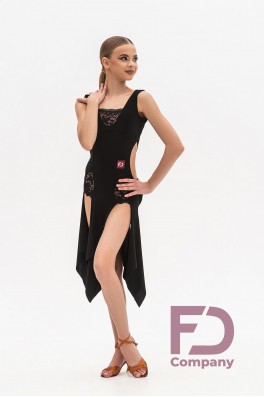
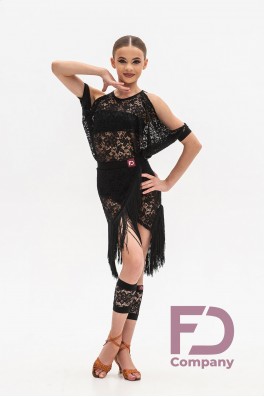
Comfortable, high-quality dancewear plays an important role in the learning process. Children's ballroom dancewear should be comfortable, flexible, and allow complete freedom of movement on the dance floor. For everyday practice, it is recommended to choose Latin practice wear or Standard practice wear, depending on the dance program, made from materials that retain their shape even after frequent training sessions and regular washing.
How to Choose Your Child's First Ballroom Dance School
When choosing a dance school, parents should consider more than just its location or tuition fees. The atmosphere, instructors' experience, class size, and overall organization of the training process are much more important.
Before enrolling, it is advisable to attend a trial lesson and pay attention to the following:
- whether the instructor has experience working with children of the appropriate age;
- whether each child receives enough individual attention;
- whether the lessons are explained clearly;
- whether the child feels comfortable in the group;
- what requirements apply to dancewear.
There is no need to purchase professional dancewear immediately. At the beginning, comfortable, high-quality practice clothing is more than enough. Specialized competition costumes and ballroom competition dresses are usually purchased later, once the child begins competing and the coach determines the specific requirements of the dance program.
Common Mistakes Parents Make at the Beginning of a Child's Dance Journey and How to Avoid Them
The most common mistake is expecting quick results. Mastering ballroom dance technique takes time, so parents should avoid comparing their child with more experienced dancers. It is equally important not to put excessive pressure on children—dance classes should be enjoyable rather than a source of constant stress.
Another common mistake is buying too much equipment too early. At the beginning, it is enough to purchase everything needed for ballroom dancing for regular practice: comfortable clothing, specialized dance shoes, and a few practical accessories. Additional items can be purchased gradually as the child's skills develop.
Ballroom dancing helps children develop physical abilities, discipline, self-confidence, and teamwork skills. By choosing the right dance school, considering the child's readiness, avoiding unnecessary pressure, and creating comfortable training conditions, parents can help maintain their child's enthusiasm for dancing for many years. When it's time to purchase high-quality ballroom dancewear for first lessons and future competitions, explore the FD Company collection, which offers modern solutions for young dancers.