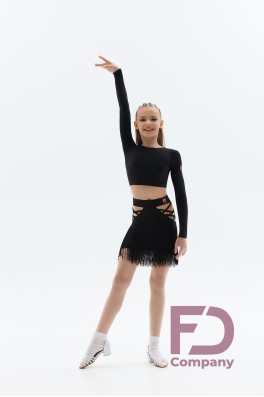
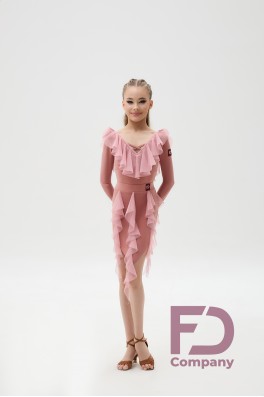
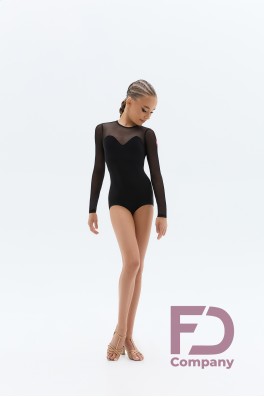
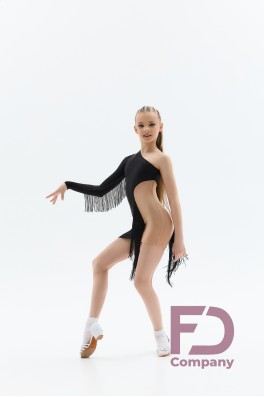
How to Choose the Right Dancewear
At FD Company, we know that clothing for ballroom dancing is not just part of a look but an important element of comfort during training and performances. The right model should not restrict your movements, distract you from your technique, or prevent you from feeling confident on the dance floor.
Dancewear requirements depend on the style, class format, and skill level. For training, comfort and freedom of movement are the top priorities, while performances also require attention to appearance, the overall look, and the specifics of the programme.
Key Criteria When Choosing Dancewear
To choose dancewear that feels comfortable during training and retains its shape after regular use, pay attention to several key factors:
- Comfort and freedom of movement: the material should stretch well, allow air to circulate, and not interfere with movements performed through their full range;
- Size and fit: the garment should follow your body shape and stay securely in place while you move. A model that is too tight can restrict movement, while one that is too loose may shift and become distracting;
- Material: for regular training, elasticity, softness, and the fabric’s ability to retain its shape after washing are especially important;
- Durability: training models are worn and washed frequently, so the quality of the fabric and construction matters greatly;
- Appearance: attractive, well-fitting clothing helps you feel more confident and creates a cohesive dance look;
- Price: consider not only the cost but also the quality of the material, fit, and workmanship.
Choosing the Right Fabric
Dancewear is made from various stretch and blended fabrics. The right choice depends on the purpose of the garment and the specific requirements of the dance style.
- Knitwear: a soft, comfortable, and practical material that is often used for training clothes;
- Lycra: an elastic fabric that follows the body's movements well and allows for close-fitting designs;
- Stretch knit: combines elasticity with an expressive texture and can be used for both training and stage looks;
- Decorative materials: velvet, mesh, and tulle are more commonly used for decorative elements and creating expressive performance looks.
When choosing a material, it is important to consider not only its appearance but also how it behaves in motion. For training, elasticity, comfort, and ease of care are especially important, while stage models place greater emphasis on design and decorative details.
How Training Wear Differs from Performance Costumes
Dance training clothes and stage costumes serve different purposes. During training, freedom of movement, a comfortable fit, and practicality are the most important factors, since the clothes are used and washed regularly.
For performances, design, color, decorative elements, and suitability for the character of the dance become especially important. The costume should complement the look of the couple or soloist while not interfering with the choreography.
In ballroom dancing, it is also important to consider the specifics of the programme. European Standard clothing should allow freedom of movement through the body and emphasize the lines of movement, while Latin models tend to focus more on dynamics, body movement, and expressiveness.
How to Choose the Right Size and Fit
Even a high-quality model will not be comfortable if you choose the wrong size. Before purchasing, check the manufacturer's size chart and consider not only your measurements but also the specific features of the model.
- the clothing should not press against or dig into the skin during movement;
- seams and decorative elements should not cause chafing;
- the material should stretch without creating a feeling of excessive tension;
- when raising your arms, bending, or making active movements, the garment should stay in place;
- for training, it is better to choose a fit that allows you to perform all elements of the programme freely.
It is especially important to check the fit before your first training session: a few minutes of active movement will help you determine whether the chosen model is genuinely comfortable.
How to Choose Dancewear for Ballroom Dancing
If you practise competitive ballroom dancing, consider the specific programme when choosing your dancewear. Standard and Latin training require different types of clothing because the movements, bodywork, and requirements for the overall look differ.
For regular training, it is better to choose practical ballroom dancewear that fits well, does not restrict movement, and can withstand frequent washing. For performances, you can focus more on the design, decorative elements, and how well the costume matches the chosen programme.
This approach allows you to avoid buying one universal model “for every occasion” and instead choose clothing for a specific purpose — training, performance, or competition.
Where to Buy Quality Dancewear
The FD Company online store offers everything for dance — from training models to stage costumes for performances. When choosing, you can consider the dance style, the purpose of the model, size, and fit. If you find it difficult to decide on your own, the managers can help you select a suitable option.
Before purchasing, it is worth deciding in advance what you need the clothing for: regular training, performances, or competitions. This will help you choose a model with the right features and avoid paying extra for details you do not need.
FD Company helps you choose clothing that is comfortable for training, performing, and developing your dance skills. Choose the right model based on the style, fit, and purpose — and let your dancewear work for your comfort and confidence on the dance floor.