Parents Checklist: How to Choose Ballroom Dancewear for Kids
When a child starts ballroom dancing, parents quickly face the need to choose suitable dancewear. It affects not only the young dancer's appearance but also their comfort during training, freedom of movement, and the coach's ability to monitor technique. Therefore, children's ballroom dancewear should be comfortable, fit the body properly, and meet the requirements of the dance program. FD Company offers models designed with young dancers' training demands and the specifics of the training process in mind.
What Children's Dancewear Should Be Like
Children's dancewear is not simply a wardrobe item but part of the training process. It should allow the coach to see the body's lines while enabling the child to move freely and feel comfortable during class.
Key requirements:
- provide freedom of movement;
- ensure a proper fit;
- not distract the dancer during training;
- retain its shape after frequent washing.
For girls, the proper fit of leotards and skirts is particularly important, while for boys, trousers and shirts should be comfortable and allow unrestricted steps, turns, and body movement.
Basic Wardrobe for Training and Performances
To help a child feel confident during classes and competitions, it is important to put together a basic set:
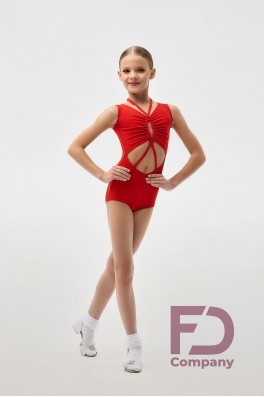
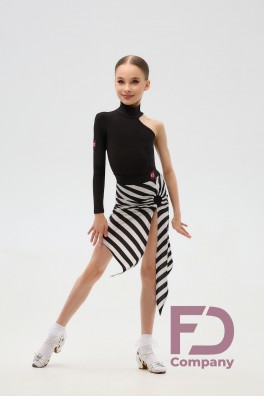
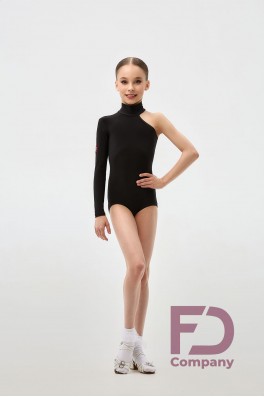
- for girls: a dance leotard, skirt, top, or leggings depending on the program and training format;
- for boys: dance pants, a shirt, t-shirt, or dance bodysuit depending on the coach's requirements;
- dance shoes and accessories according to the requirements of the club or dance program.
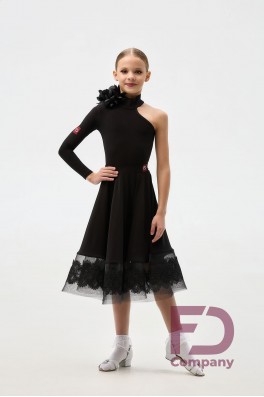
If a child trains in different dance programs, separate Latin and Standard sets may be needed. They differ in cut, fit, and appearance requirements.
FD Company collections include both basic children's dancewear and performance options suited to the dancer's level of preparation and the requirements of the program.
How to Choose Safe and Comfortable Materials for a Child
The material plays an important role in comfort. For training, elastic fabrics that allow air to circulate, do not restrict movement, and retain their shape through regular wear and washing are a good choice.
When choosing dancewear, pay attention to the following characteristics:
- softness against the skin;
- resistance to stretching;
- good breathability;
- neat and durable seams.
These characteristics are particularly important for younger children, as discomfort caused by clothing can distract them from the coach and reduce their concentration during class.
Common Mistakes Parents Make When Buying Dancewear
One of the main mistakes is choosing clothing that is too loose so the child can "grow into it". Proper fit is important in dance: if the outfit is significantly too large, it becomes harder for the coach to monitor the body's position and correct movements.
Parents also often focus only on appearance and overlook functionality. A beautiful costume cannot compensate for an uncomfortable cut, an incorrect size, or material that restricts movement.
Another common mistake is using a regular sports outfit instead of specialized dancewear. Such clothing does not always take the specifics of dance movements into account and may make it harder for the coach to see the child's technique.
Shopping Checklist: How to Avoid Overpaying and Choose Quality Items
Before buying, take the child's measurements and compare them with the manufacturer's size chart. This reduces the risk of choosing the wrong size. If the child is growing quickly, it is better to follow the manufacturer's and coach's recommendations rather than automatically buying an item several sizes too large.
What to check before buying:
- Fabric composition and quality of workmanship.
- Real product photos and videos.
- Reviews and brand reputation.
- Return and exchange conditions.
- Compliance with the size chart.
If you want to choose comfortable, high-quality ballroom dancewear that will last and help your child feel confident on the dance floor, explore the FD Company catalog. It features models for regular training and performances, adapted to different age groups and skill levels.