The History of Ballroom Dancing: From Royal Balls to Modern Competitive Sport
Today, competitive ballroom dancing brings together millions of people around the world. It combines art, athleticism, discipline, and emotion. However, the journey to modern dance competitions has taken several centuries. During that time, the music, dance techniques, competition rules, and even ballroom dancewear have evolved. The FD Company collections demonstrate how contemporary dancewear preserves the finest traditions of ballroom dancing while meeting the comfort and performance standards of today's sport.
How Ballroom Dancing Began: From European Royal Courts to the First Dance Traditions
The history of ballroom dancing dates back to the royal courts of Europe in the 15th and 16th centuries. Grand balls were an essential part of aristocratic social life, and the ability to dance gracefully was considered a sign of refinement and high social status.
Over time, court dances became increasingly diverse. Minuets, polonaises, quadrilles, and many other dances were performed at royal balls, each with its own style, etiquette, and movement patterns. Gradually, these dances spread beyond palace walls and became popular among broader segments of society.
It was during this period that the first traditions of partner dancing emerged, eventually forming the foundation of today's competitive ballroom dancing.
How the Standard and Latin Ballroom Programs Were Formed
During the 19th and 20th centuries, ballroom dancing developed rapidly. The Standard program came to include the Slow Waltz, Tango, Viennese Waltz, Slow Foxtrot, and Quickstep. These dances are characterized by elegance, smooth movement, and refined body lines.
Later, the rhythms of Latin America gained worldwide popularity. Samba, Cha-Cha-Cha, Rumba, Paso Doble, and Jive formed a separate competition program focused on body action, energy, rhythm, and expressive performance.
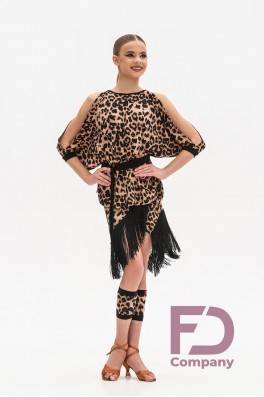
At the same time, dancewear for Latin and Standard also evolved. Each discipline developed its own requirements for garment design, fabrics, and appearance, allowing dancers to emphasize the unique style of each program while maintaining complete freedom of movement.
Today, the differences between the Standard and Latin programs extend beyond dance technique to include music, costumes, and overall performance style, making each discipline instantly recognizable.
The Development of Competitive Ballroom Dancing: Rules, Competitions, and International Organizations
During the second half of the 20th century, ballroom dancing became a fully established competitive sport. Unified judging systems, age categories, skill classifications, and international championships were introduced.
Today, the world's largest competitions are held under the supervision of international dance federations, with athletes regularly competing in national and world championships. Judges evaluate not only technical ability but also musicality, partnership, artistry, and overall presentation.
For this reason, high-quality ballroom dancewear for Latin and Standard serves not only an aesthetic purpose but also helps dancers perform with confidence on the dance floor.
That is why many dancers choose FD Company, where every design is created using years of practical experience working with dancers and tested under real training and competition conditions.
How Technique, Music, Costumes, and Performance Standards Have Changed Over Time
Early competitive dances were relatively restrained, whereas today's routines demand exceptional physical fitness, coordination, endurance, and technical precision. Rotations, body action, and partner interaction have become significantly more sophisticated.
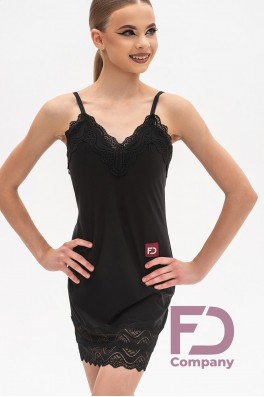
Dancewear has evolved alongside technique. Modern ballroom dance dresses are made from high-quality stretch fabrics that retain their shape and allow dancers to perform the most demanding choreography without restricting movement.
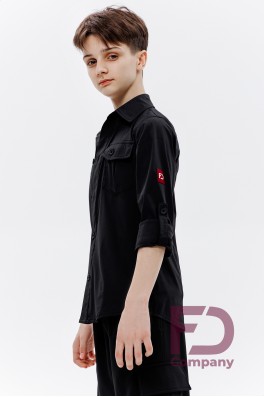
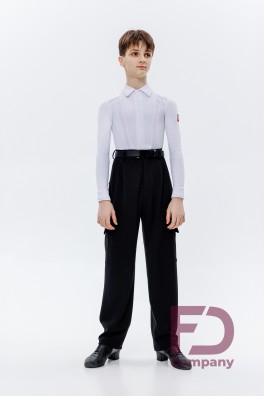
Men's ballroom attire has also advanced with specialized dance pants, shirts, and bodysuits designed to meet competition standards while ensuring comfort during both practice and performances.
Ballroom Dancing Today: A Modern Sport with a Bright Future
Today, competitive ballroom dancing continues to grow in popularity. It is accessible to both children and adults, bringing together people of different ages while combining creativity with physical activity.
Modern technologies make training more effective, while specialized dancewear allows athletes to focus entirely on technique and enjoy every practice session. As a result, interest in ballroom dancing continues to increase every year among both beginners and experienced competitors.
If you are just starting your ballroom dance journey or looking to update your dance wardrobe, explore the FD Company collection. It features modern solutions for training and competitions, combining comfort, quality, and full compliance with the requirements of competitive ballroom dancing.