Rhythmic and Artistic Gymnastics: How Their Clothing Differs
At first glance, clothing for rhythmic and artistic gymnastics may look similar: a fitted leotard, comfortable leggings or shorts, tied-back hair, and minimal unnecessary details. But the training itself is noticeably different, so clothing is selected according to the type of movement, physical demands, and requirements of each discipline.
In rhythmic gymnastics, the athlete works with apparatus and performs jumps, balances, rotations, and complex flexibility elements. In artistic gymnastics, the focus is on acrobatic and gymnastics elements performed on apparatus and during floor exercises. Therefore, gymnastics apparel should not simply look good but also suit what the child does during training.
If you are choosing training clothing for a child for the first time, at FD Company or another sportswear store, it is best to determine the discipline and training format first and only then choose a specific model.
How Clothing for Rhythmic and Artistic Gymnastics Differs
The main difference starts not with appearance but with the training process itself. In rhythmic gymnastics, flexibility, range of motion, apparatus work, and body expression are especially important. The outfit should allow the coach to see the body position while also not interfering with work with the ribbon, ball, hoop, clubs, or rope.
In artistic gymnastics, the workload often involves fast acrobatic movements, rotations, support on apparatus, and landings. Here, a secure fit, the absence of details that could catch on equipment, and freedom of movement for the arms and legs are particularly important.
Therefore, the basic principles are similar: clothing should be stretchy, comfortable, and close-fitting. But the specific outfit depends on the discipline, the athlete’s age, skill level, and the coach’s requirements.
This is especially important for beginners. There is no need to buy a specialized wardrobe for every possible situation right away. For the first classes, a few comfortable items that meet the requirements of the club are enough.
What Training Clothing Is Needed for Rhythmic Gymnastics
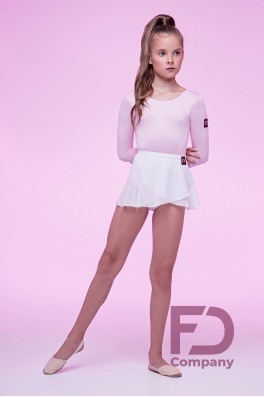
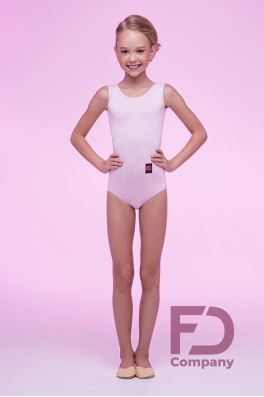
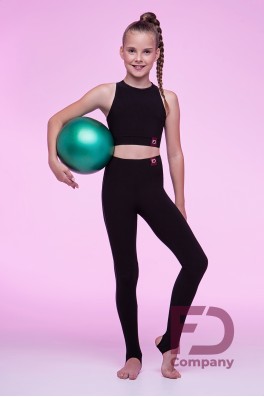
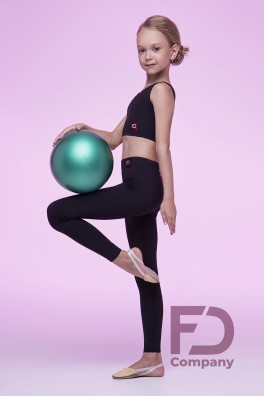
Training clothing for rhythmic gymnastics can be quite diverse. One of the most common options is a leotard for gymnastics, which clearly shows the body lines and does not interfere with performing elements. Tops or tank tops paired with shorts, biker shorts, and leggings are also used for training.
- Leotard. Suitable for technical work, stretching, and sessions where it is important for the coach to see the position of the torso.
- Top or tank top. Convenient for training, warm-ups, and sessions where full-body coverage is not required.
- Gymnastics shorts and biker shorts. They leave the legs free and are suitable for active exercises.
- Leggings. Useful for warm-ups, stretching, and training in a cool gym.
- Additional layer. A long-sleeve top or sports sweatshirt can be useful before the session starts and during warm-ups.
Training clothing does not need to replicate the construction of a competition costume. What matters is that it does not slide down or rub and allows the gymnast to perform bends, splits, jumps, and rotations freely.
At the same time, competition attire in rhythmic gymnastics is regulated by FIG rules. For example, the current Code of Points allows leotards with sleeves of any length, sleeveless styles, or narrow straps. Long leggings worn over or under the leotard are also permitted, while a gymnastics skirt may be used provided the established requirements are met.
What Clothing Is Used for Artistic Gymnastics Training
Training in artistic gymnastics also often takes place in a leotard. It helps maintain freedom of movement and allows the coach to monitor the position of the torso and limbs while elements are performed. For additional warm-ups, gymnastics leggings, shorts, biker shorts, tops, or tank tops may be used — the specific option depends on the session and the rules of the sports school.
Fit deserves particular attention. During acrobatic elements, clothing should not twist or catch on equipment. An overly loose gymnastics top or tank top can interfere with rotations, while leggings in the wrong size may restrict movement or slide down.
That is why stretchy materials that return to their original shape after being stretched work well for artistic gymnastics. For example, training shorts and leggings for young gymnasts may use elastane-blend fabrics for freedom of movement and moisture-wicking materials.
Competition attire has more specific requirements. Under the current FIG rules for artistic gymnastics, an opaque leotard or unitard is required; styles with or without sleeves are allowed, as are certain options for leg coverage. The rules also regulate the neckline, armhole design, footwear, jewelry, and some additional elements.
This means that artistic gymnastics training wear can be simpler than competition attire, but its key properties remain the same: comfort, a secure fit, and freedom of movement.
How Competition Attire Differs in Rhythmic and Artistic Gymnastics
The differences between the two disciplines become especially noticeable at competitions. In both cases, the attire must meet established requirements, but the rules themselves differ.
In rhythmic gymnastics, FIG regulates the construction of the leotard, body and leg coverage, skirt design, and decorative elements in detail. For example, decorative appliqués must not create a safety hazard and should lie close to the main fabric; LED decoration is prohibited. A gymnast may also compete barefoot or in rhythmic gymnastics half-shoes.
In artistic gymnastics, competition attire must also be close-fitting and opaque. FIG allows a gymnastics leotard or unitard, sets requirements for the neckline and the length of the lower part of the outfit, and also permits gymnastics slippers and/or socks. Jewelry is limited to small stud earrings.
Therefore, the rules of one discipline cannot simply be applied to the other. Even if two leotards look similar, the requirements for competition attire may differ.
For parents, the practical takeaway is simple: if the child is preparing for her first competition, do not rely solely on photos of professional athletes. Before buying, check the regulations for the specific event and the coach’s recommendations.
Why Rhythmic Gymnastics Clothing Does Not Always Work for Artistic Gymnastics
Training clothing can sometimes be used more flexibly. For example, stretchy leggings or a simple top may work for both disciplines if the coach allows this type of outfit. But leotards and competition attire are more complicated.
Rhythmic gymnastics clothing may be designed with apparatus work and a large range of motion in mind, while in artistic gymnastics the construction needs to be suitable for acrobatics and work on apparatus. Even a decorative detail that does not cause problems during stretching could potentially be inappropriate when training on equipment.
When choosing, it is worth checking five things:
- Fit. The outfit should stay in place during jumps, rotations, and bends.
- Stretch. The fabric should not restrict splits, leg swings, or raising the arms.
- Construction. Seams, straps, and other details should not rub or catch.
- Purpose. Training and competition attire are not the same thing.
- Club requirements. Even a comfortable model may not be suitable if the coach has specified different clothing requirements.
There is therefore no universal answer to the question of which gymnastics clothing is best suited to their needs. Rhythmic and artistic gymnastics require different priorities, and even within the same discipline, clothing can vary depending on the athlete’s age and skill level.
At FD Company, it makes sense to start with these parameters when choosing children’s gymnastics clothing: determine the discipline, clarify the coach’s requirements, choose the right size, and only then select the color, style, and additional details.
The main rule remains simple: gymnastics clothing should help the gymnast move rather than make her think about her outfit during an exercise. If a leotard or training set fits well, does not restrict movement, and meets the requirements of the specific club, it fulfills its main purpose — creating comfortable conditions for training and competition.
If the child is just starting, there is no need to immediately buy a separate wardrobe for every situation. A basic set consisting of a comfortable leotard, top or tank top, shorts or biker shorts, and leggings for gymnastics can be expanded gradually as the training load increases. At FD Company, you can build this wardrobe around the specific discipline and the gymnast’s needs.