What to Pack for Gymnastics Training and Competitions: Complete Checklist
Packing a gymnast’s sports bag for one training session is easy until you start thinking about spare clothes, hair ties, water, a towel and other little essentials. Before a competition, the list gets even longer: a competition leotard, apparatus, documents, hair accessories and things for unexpected situations.
To avoid searching for something at the last minute, it is helpful to organize gymnastics clothing and other essentials by purpose. Below is a practical checklist for regular training, competitions, camps and longer training sessions.
What to Pack in a Gymnastics Sports Bag for a Regular Training Session
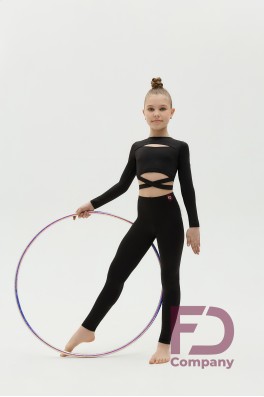
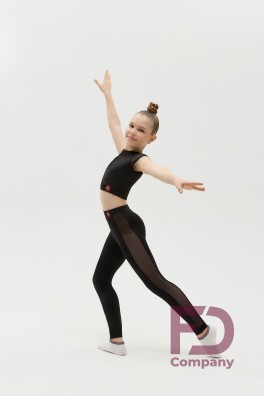
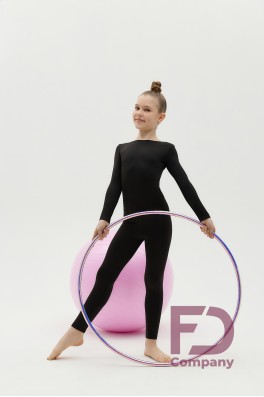
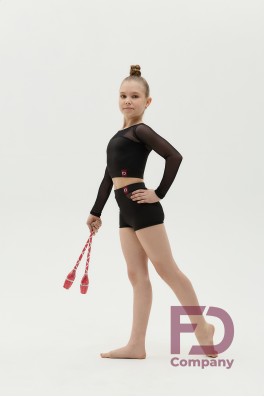
There is no need to take your entire gymnastics wardrobe to regular training. The basics are comfortable clothes that allow the child to perform stretches, jumps, bends and strength exercises freely. Depending on the coach’s requirements, this may be a leotard, a top or tank top combined with leggings, gymnastics shorts or biker shorts.
If the club normally requires training in a leotard, it is better to have separate gymnastics clothing specifically for training. Leggings, a long-sleeve top or leg warmers may be useful for warm-ups or sessions on a cold floor. However, it is best to check the specific requirements with the coach in advance.
- Main outfit: a gymnastics training leotard, tank top or top, leggings, shorts or biker shorts, depending on the type of session.
- Change of clothes: a sweatshirt and dry socks after the more intensive part of the training.
- Gymnastics footwear: if required for a particular discipline or during warm-up. In rhythmic gymnastics, athletes may perform barefoot or in gymnastics half-shoes.
- Water: a personal water bottle.
- Towel: a small one for quickly drying hands or the face.
When choosing a training outfit from FD Company, it is useful to focus specifically on the type of training: if the girl spends a lot of time stretching, flexibility and freedom of movement are more important; for warm-ups in a cool gym, an additional layer can be useful.
What Accessories and Personal Care Items Does a Gymnast Need for Training?
Some items take up very little space in a sports bag, but their absence is often what causes problems. Hair should be tied back so that it does not interfere with movement, so it is better to keep hair ties, bobby pins and hairpins in a separate small pouch.
For rhythmic gymnastics, a neat hairstyle is particularly important: current FIG rules require hair to be styled neatly and compactly, while decorative elements must not pose a safety risk.
- several strong hair ties;
- bobby pins and hairpins;
- a hairnet for a bun, if this hairstyle is required by the coach;
- a small towel;
- wet and dry wipes;
- personal hygiene products;
- a water bottle;
- a zip-lock bag for wet or used clothing;
- a small supply of bandages for minor chafing.
There is no need to overload a child’s sports bag with cosmetics and large quantities of everyday care products. Training only requires the things the child actually uses. The simpler the bag is organized, the faster the gymnast can find what she needs between exercises.
What to Take to Rhythmic and Artistic Gymnastics Competitions
It is best to pack for competitions in advance and check the bag against a separate list. Here, it is important to consider not only the discipline but also the regulations for the specific tournament: requirements for documents, clothing, eligibility and equipment may vary.
For rhythmic gymnastics, the essentials include a gymnastics leotard, apparatus and hair accessories. At the international level, FIG sets specific requirements for competition clothing, jewelry and hairstyles. For example, large dangling jewelry and piercings are prohibited for safety reasons.
Before travelling to a tournament, check the following:
- Competition attire: a leotard or other costume required by the regulations, as well as a spare outfit if necessary.
- Apparatus: hoop, ball, clubs, ribbon or rope, according to the gymnast’s program.
- Hairstyle: hair ties, bobby pins, hairpins, a hairnet and everything needed to secure the hair.
- Documents: passport or birth certificate, medical clearance, sports documents and any other paperwork specified by the organizers.
- Things needed for the whole day: water, a snack, wipes, a towel and a change of clothes.
The checklist will be different for artistic gymnastics: in this case, you should follow the program for the specific competition, the organizers’ requirements and the coach’s recommendations. Therefore, it is best to use a universal checklist as a starting point and prepare the final list according to the competition regulations.
Documents should not be treated as a minor detail. For example, official rhythmic gymnastics competition regulations may require medical clearance, athlete documents and an insurance policy. That is why it is better to check this item several days before travelling rather than on the morning of the competition.
What to Pack for a Gymnastics Training Camp and Longer Training Sessions
At a training camp, a sports bag becomes more than a set of things for one evening — it turns into a small mobile wardrobe. It is important to calculate the number of outfits in advance and keep clean, used and competition clothing separate.
- several training leotards or training outfits;
- leggings, shorts or biker shorts for different sessions;
- gymnastics tank tops and tops for warm-ups;
- several pairs of socks and underwear;
- a warm layer for travelling and cool indoor spaces;
- towels and personal hygiene products;
- hair ties and hair accessories;
- a water bottle and a small, easy-to-pack snack;
- all necessary training equipment and accessories.
It is better to calculate the number of outfits not only according to the number of training sessions but also taking into account opportunities to wash and dry clothes. If there are several sessions a day, a spare dry outfit becomes particularly useful: the child will not have to continue training in damp clothing.
It is convenient to organize everything by category in advance: clothing separately, hair accessories in a small organizer, and documents in a closed pocket. This saves time and gradually helps the gymnast learn to pack her own sports bag independently.
What Spare Items Should a Gymnast Have for Unexpected Situations?
The most useful spare items are those that take up very little space but can solve a specific problem. One extra hair tie weighs almost nothing, but not having one before a performance can become a serious issue. The same applies to socks, dry clothes and water.
A basic spare kit can be packed in a separate small pouch:
- 1 spare training outfit;
- 1–2 pairs of socks;
- several hair ties and hairpins;
- spare bobby pins and a hairnet;
- a small towel;
- some adhesive bandages;
- a bottle of water;
- a zip-lock bag for wet or dirty clothing.
At competitions, a spare outfit is even more important. If a hair tie breaks, the outfit gets wet or a small hair accessory is lost, there is no need to urgently look for a replacement in an unfamiliar place.
Before leaving home, it is useful to make a final check using a simple principle: outfit — hair — water — apparatus — documents — spare items. If all six points are covered, the likelihood of unpleasant surprises is significantly lower.
FD Company offers children’s gymnastics clothing, but when packing a bag, what matters most is not the number of items but whether they match the actual training needs. It is better to have several comfortable outfits that the child regularly wears than an overfilled bag with clothes kept “just in case.”
A well-packed gymnast’s bag should meet practical needs: provide spare clothing, help maintain comfort and hygiene, keep essential accessories organized and leave room for unexpected situations. This approach is useful for regular training, competitions and multi-day training camps alike.
If you are just putting together a training wardrobe for your child, start with a basic set and gradually add spare items and accessories as the training load increases. At FD Company, you can choose gymnastics apparel based on the gymnast’s age, type of training and the coach’s recommendations.