What Are Competitive Ballroom Dances: Rules, Categories, and How Beginners Can Start
Competitive ballroom dancing is a combination of art, sport, and discipline. It develops coordination, a sense of rhythm, endurance, and self-confidence, and both children and adults can take part in competitions. For a successful start, it is important not only to choose the right school and coach, but also to prepare suitable ballroom dancewear. FD Company offers solutions for beginners and experienced dancers that meet the requirements of training sessions and competitions.
What Are Competitive Ballroom Dances and How Do They Differ from Other Dance Styles
The main feature of competitive ballroom dancing is the combination of dance technique, clear performance rules, and a competitive format. Unlike many other dance styles, it places strong emphasis on partner interaction, posture, musicality, movement technique, and compliance with costume requirements.
At competitions, judges evaluate a range of factors, including technique, musicality, partner interaction, body lines, footwork, balance, and the expressiveness of the couple. Therefore, training involves not only learning dance elements but also developing overall fitness, coordination, and endurance.
What Programs, Age Categories, and Classes Exist in Competitive Ballroom Dancing
Competitive ballroom dancing is divided into two main programs:
- European Program — Slow Waltz, Tango, Viennese Waltz, Slow Foxtrot, and Quickstep.
- Latin American Program — Samba, Cha-Cha-Cha, Rumba, Paso Doble, and Jive.
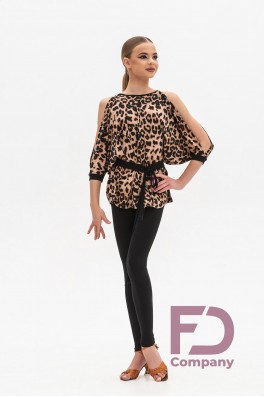
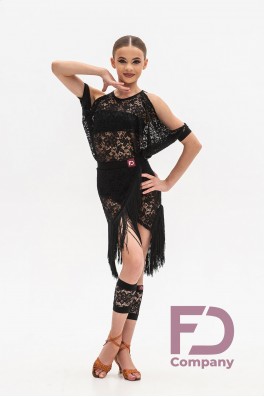
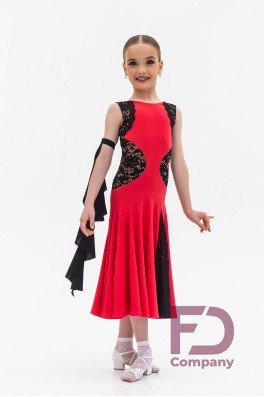
Each program has specialized Standard dancewear or Latin American dancewear, as requirements for cut, silhouette, and freedom of movement differ.
Dancers are also divided into age categories and competitive classes according to the rules of the relevant federation or competition. These categories help group participants by age and skill level. As their skills improve, dancers can move into higher classes and take part in competitions at different levels.
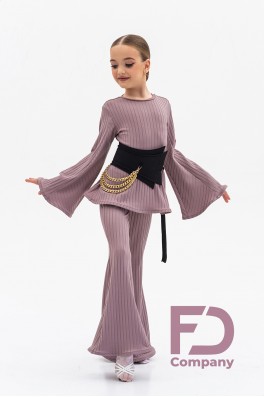
FD Company collections offer quality dancewear for everything from first lessons to regular training sessions and competitions.
How to Start Training: Choosing a School, Coach, and Training Format
The first step is to choose a school with experienced instructors and a clear training system. A good coach focuses not only on technique but also on physical conditioning, developing a sense of rhythm, and building confidence on the dance floor.
Before enrolling, it is worth attending a trial class, getting a feel for the atmosphere within the group, and checking the training schedule. Beginners should train regularly, as consistency is what allows them to master the basic elements more quickly.
What Beginners Need for Their First Training Sessions: Dancewear, Shoes, and Basic Equipment
Comfortable dancewear helps dancers stay fully focused on their training. For the first sessions, you will need:
- comfortable ballroom dancewear that does not restrict movement and allows you to focus fully on the training;
- specialized dance shoes with flexible soles that provide stability and support proper footwork;
- a change of clothes and essential accessories to help you stay comfortable during training.
For Latin American dance classes, dancers usually choose lighter Latin dancewear, while the European Program calls for classic-silhouette models that provide freedom of movement and a neat appearance.
If you are just starting out, it is worth exploring specialized dancewear and equipment in advance. This will help you choose items that will last and remain comfortable throughout your training.
Common Beginner Mistakes and How to Achieve Your First Results Faster
One of the most common mistakes is trying to master complex elements quickly without first developing a solid foundation. It is equally important to choose the right clothing and shoes: unsuitable equipment can restrict movement and make it harder to learn technique comfortably.
You should also avoid skipping training sessions or comparing your progress with that of more experienced athletes. In competitive ballroom dancing, results come gradually through regular practice, working with a coach, and paying attention to detail.
If you plan to take competitive ballroom dancing seriously, it is worth using specialized equipment from your very first training sessions. The FD Company catalog features models for different age groups, dance programs, and skill levels that provide comfort during training and help dancers stay fully focused on technique.