What Are Latin American Dances: Features, Styles and Who They Are Suitable For
The Latin American program is one of the most vibrant disciplines of competitive ballroom dancing. It combines energy, emotion and expressive body movement while developing a sense of rhythm, coordination, flexibility and confidence in movement. At FD Company, we know that comfort during training starts with properly selected equipment, which is why high-quality Latin dancewear becomes an important part of successful training from the very first lessons.
What Is Included in the Latin American Dance Program and How Does It Differ from Other Disciplines?
The Latin American program includes five dances: samba, cha-cha-cha, rumba, paso doble and jive. Each has its own character, tempo and technique, but they are all united by active body movement, expressive styling and emotional performance.
Unlike the Standard program, where the focus is on smoothness and precise body lines, Latin dancing is built around dynamics, characteristic body action, changes in rhythm and strong artistry. That is why Latin American dancewear should not only look impressive but also provide complete freedom of movement.
Features of the Five Latin Dances: Samba, Cha-Cha-Cha, Rumba, Paso Doble and Jive
Each dance has its own technique and performance character, allowing dancers to gradually develop coordination, musicality, body movement, and a sense of rhythm.
- Samba is characterized by its distinctive rhythm, dynamic movement and bouncing action.
- Cha-cha-cha requires precise coordination, musicality and clear accents.
- Rumba is distinguished by its fluidity, expressiveness and particular focus on the character of movement.
- Paso doble is based on expressive poses, confident posture and a dramatic character.
- Jive combines a fast rhythm, active footwork and high physical demands.
As dancers become more skilled, the requirements for their equipment also change. Comfortable Latin ballroom dancewear is used for training, while competition costumes are chosen to emphasize the character of the program and the dynamics of movement.
Who Are Latin American Dances Suitable For: Age, Skill Level and Training Goals
People of all ages and skill levels practice Latin dancing. Beginners gradually learn the basic movements, while experienced dancers continue to refine their technique, artistry and physical fitness.
These dances are popular among those who want to develop coordination, a sense of rhythm, flexibility and confidence in movement. Regular training also helps strengthen muscles, improve coordination and maintain overall physical fitness.
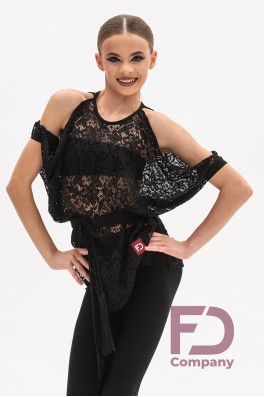
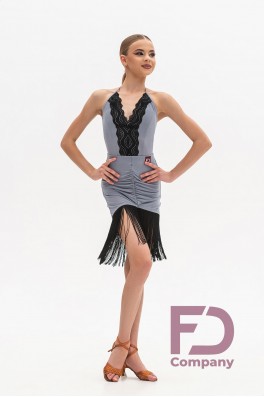
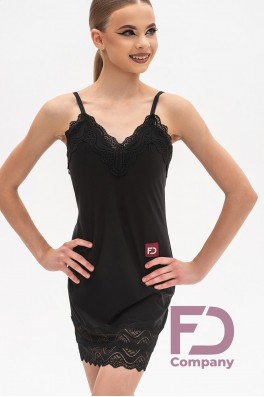
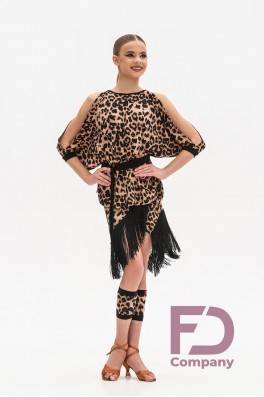
You can view models for training and performances in the FD Company catalog, which features options for children and adults designed around the specific requirements of the Latin American program.
How to Prepare for Your First Training Sessions: Choosing Dancewear, Shoes and a Practice Outfit
The right equipment makes training much more comfortable. During your first lessons, it is important that dancewear fits well, does not restrict movement and allows the coach to see whether the elements are being performed correctly.
Depending on the dancer's skill level and the coach's requirements, the following options may be chosen for training and performances:
- Latin dance dresses — mainly for performances and training for experienced female dancers;
- leotards and skirts for Latin dance — a practical option for training and group classes;
- tops and pants for Latin dance — a comfortable option for intensive training and private lessons;
- specialized dance shoes — with a suitable heel height and stable construction for comfortable and correct footwork.
When choosing dancewear, pay attention to the quality of the fabric, elasticity, seam durability and comfortable fit. Good equipment should retain its shape and provide comfort even during regular training.
Common Beginner Mistakes in Latin Dancing and Tips for Faster Progress
One of the most common mistakes is wanting to purchase an eye-catching stage costume right away while forgetting about comfort during training. It is equally important to choose the right shoes and select dancewear in the correct size — models that are too loose or too tight can interfere with learning the technique.
Dancers who attend classes regularly, listen carefully to their coach's recommendations and pay attention to high-quality equipment tend to progress faster. Well-selected ballroom dancewear helps dancers focus completely on their movements instead of constantly adjusting their costume.
If you are just discovering Latin dancing or want to update your practice wardrobe, explore the FD Company collection. It features models for children and adults that provide comfort during training, meet the requirements of the Latin American program and help dancers feel confident both in class and while preparing for competitions.