Gymnastics Basics: What to Buy for a Girl’s First Training Sessions
First rhythmic gymnastics classes often begin with the same question: what should you buy for your child so that she can train comfortably without spending money on things she does not need yet? A complete sports wardrobe is not really necessary at the start. It is much more sensible to put together a small set of practical clothing that does not restrict movement and is suitable for regular training.
FD Company helps you choose children’s gymnastics wear for different needs, from first classes to more advanced training. However, it is better to start with the basics and follow the coach’s recommendations, as clothing requirements may vary between clubs.
What to Include in a Basic Outfit for First Gymnastics Classes
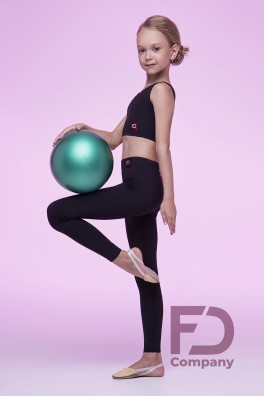
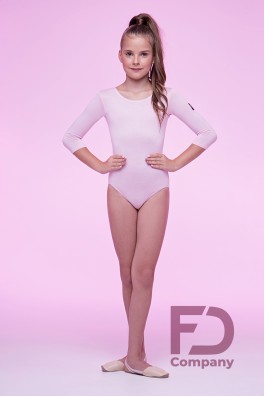
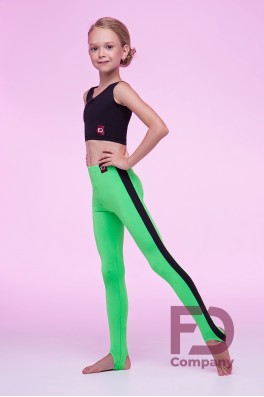
For the first training sessions, a girl primarily needs clothing that allows the coach to clearly see the position of her body, arms and legs while making it easy for her to move. One of the most practical options is a gymnastics leotard. A tank top or top combined with leggings can also work for training if the coach allows this type of clothing.
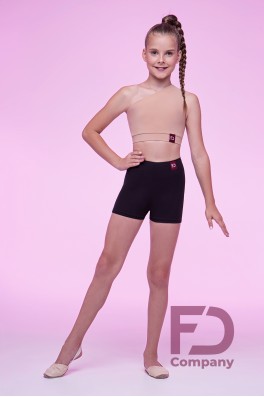
Depending on the temperature in the gym and the type of training, lightweight gymnastics leggings, shorts or biker shorts can also be useful. The main thing is that the clothes stay in place, do not twist and do not restrict her range of movement.
At the beginning, it is enough to have:
- one comfortable training leotard or a gymnastics tank top or top;
- leggings, gymnastics shorts or biker shorts, if allowed by the coach;
- socks or gymnastics slippers, depending on the club’s requirements;
- a change of clothes for after training.
There is no need to buy several expensive leotards, elaborate performance costumes or a large number of accessories right away. Your child is only starting out, so her size and needs may change within the next few months.
How to Choose Gymnastics Clothing by Size, Fit and Material
Good gymnastics clothing should move with the body rather than restrict it. Clothing that is too tight can put pressure on the body, cause chafing and limit her range of movement. Clothing that is too loose, on the other hand, can bunch up, slip down and distract the child during exercises.
For training, it is better to choose stretchy materials that move with the body and return to their original shape. Soft seams and a comfortable fit are equally important, as the child will be actively moving, bending, jumping, stretching and performing flexibility exercises.
If you are choosing a gymnastics leotard, do not rely solely on the age indicated on the label. Compare your child’s height and other measurements with the size chart of the specific manufacturer. Buying a leotard “to grow into” may not be worthwhile: if it does not fit properly now, the child will not be able to train comfortably.
Care requirements also matter for regular training. A practical fabric should withstand frequent washing and retain its shape after intensive use. Therefore, when choosing between two similar models, it is better to opt for the one that is comfortable not only when trying it on but also in everyday use.
What Accessories Does a Gymnast Need for Training?
Most useful items in a sports bag have little to do with creating a stylish look, but they can make everyday life much easier for both the child and the parents. First of all, make sure the child’s hair is secured: long strands should not interfere with exercises, so strong hair ties, small clips and bobby pins will come in handy.
A practical sports bag will help keep training clothes separate from everyday belongings, while a water bottle is useful during longer sessions. It is also worth carrying a small supply of hair ties and clips — they are easy to lose exactly when they are needed most.
A useful minimum can include:
- hair ties, bobby pins and hair clips;
- a sports bag or backpack;
- a water bottle;
- a change of clothes;
- a small zip-lock bag for damp clothing.
If the club has specific requirements for footwear or training equipment, it is better to check them with the coach before buying anything. This will help you avoid filling the sports bag with items the child will not actually need.
What to Buy Right Away and What Can Wait
The main rule for beginners is not to confuse training clothes with competition attire. An expensive performance costume is not necessary for regular classes. If your child is just getting acquainted with rhythmic gymnastics, it is worth first seeing whether she enjoys the activity and how regularly she will train.
It makes sense to buy comfortable basic training clothes and the necessary accessories right away. If training takes place several times a week, you can gradually add a second set so that the clothes do not have to be washed after every session.
However, there is no need to rush into buying several gymnastics leotards, elaborate models with decorative details or a large amount of specialized clothing. A separate costume will be needed for performances, but its selection should be discussed with the coach closer to the first competition and taking into account the requirements of the specific competition.
This is especially important because competition clothing rules differ from the requirements for regular training attire. For example, the current FIG Code of Points for Rhythmic Gymnastics includes specific requirements regarding leotard construction, the visibility of underwear, additional elements, decorations and hairstyle. Therefore, a competition costume should be selected in accordance with the current rules for the specific competition.
How to Build a Comfortable Gymnastics Wardrobe Without Unnecessary Purchases
A practical wardrobe is best built gradually. To begin with, one main training outfit and several simple pieces that can be alternated are enough. If your child trains regularly, a second set will be a more useful purchase than several expensive models right away.
Keep an eye on how quickly your child is growing as well. An outfit that fit perfectly only recently can suddenly become too short or tight. Check the fit before training: the leotard should not dig into the skin, the leggings should not slip down, and the seams should not cause chafing.
As the training load increases, the wardrobe can be expanded with several training models, warm layers for travelling to and from training, and more specialized items. This approach allows you to buy exactly what your child actually uses rather than accumulating clothing “just in case.”
FD Company offers models for different stages of a gymnast’s training, so the basic set can be gradually expanded as the gymnast grows and the training load increases. The key is to choose gymnastics apparel for kids not only for its appearance but also for its fit, material and the actual requirements of the training sessions. This way, the sports wardrobe will help the child train comfortably while allowing parents to spend money wisely.